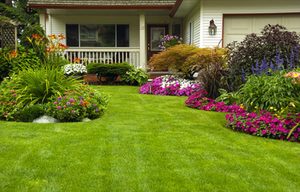
How to Create a Cottage Garden: Charm and Character in Your Landscape

landscaping

The cottage garden style has captivated gardeners for centuries with its romantic, seemingly effortless beauty. Unlike formal gardens with their rigid structures and precise plantings, cottage gardens embrace a more relaxed aesthetic that celebrates abundance, color, and natural growth patterns.

Creating your own cottage garden means crafting a landscape that feels both intentional and wild, where flowering plants spill over pathways and fragrances drift through the air. This timeless gardening approach offers a perfect blend of practicality and beauty, combining ornamental flowers with herbs and edibles in a harmonious display that feels welcoming and lived-in. Visit https://www.biggreenlawn.com/ for more information.

Understanding the Cottage Garden Philosophy

The essence of cottage gardening lies in its unpretentious approach to landscape design. Historically, these gardens emerged from practical necessity, where homeowners grew vegetables, herbs, and flowers together in limited spaces. The style developed organically over time, with plants self-seeding and naturalizing to create layers of texture and color that changed with the seasons. Modern cottage gardens maintain this spirit of informal abundance while incorporating contemporary plant selections and design principles.

The cottage garden aesthetic values generosity over minimalism. Plants grow in dense groupings, creating a tapestry of overlapping blooms and foliage. There’s an emphasis on vertical interest, with climbers scrambling over structures and tall perennials reaching skyward. The overall effect should feel abundant yet comfortable, as though the garden has been lovingly tended for generations rather than recently installed. This approach to gardening celebrates imperfection and encourages plants to express their natural habits rather than forcing them into unnatural shapes or arrangements.

Choosing the Right Plants for Authentic Character

Plant selection forms the foundation of any successful cottage garden. Traditional choices include old-fashioned perennials that have stood the test of time, often selected for their reliability, fragrance, and generous blooming habits. Roses play a starring role, particularly varieties that offer strong scents and repeat flowering throughout the season. Shrub roses and climbing roses work especially well, providing structure while maintaining the informal character that defines the style.

Perennials should form the backbone of your planting scheme. Consider classics like foxgloves, delphiniums, hollyhocks, and peonies for height and drama. Hardy geraniums, catmint, and lady’s mantle work beautifully as edging plants, softening pathway edges and weaving through other plantings. Cottage gardens traditionally blur the lines between ornamental and edible, so incorporate herbs like lavender, rosemary, and sage both for their practical uses and their attractive foliage and flowers. Self-seeding annuals and biennials, including sweet alyssum, calendula, and forget-me-nots, add spontaneity and fill gaps between larger plants.

The color palette in cottage gardens tends toward soft pastels and rich jewel tones rather than harsh contrasts. Whites, pinks, purples, and blues create a soothing harmony, while splashes of yellow and orange add warmth and energy. However, the beauty of this style lies in its flexibility. Your cottage garden should reflect your personal preferences while maintaining the overall sense of abundance and natural growth that characterizes the approach.

Designing Pathways and Garden Structures

Pathways in cottage gardens serve both practical and aesthetic purposes, guiding visitors through the space while creating opportunities for plants to spill and soften hard edges. Traditional materials like brick, stone, and gravel work particularly well, developing character and patina over time. Avoid overly wide or formal pathways. Instead, create routes that meander gently through planting areas, occasionally narrowing where billowing plants can brush against visitors as they pass.

Garden structures add essential vertical interest and provide support for climbing plants. Rustic wooden arbors, trellises, and pergolas work beautifully in cottage settings, especially when crafted from natural materials that weather gracefully. Paint wooden structures in soft colors that complement your planting scheme, or allow them to age naturally to silvery gray. Picket fences, another cottage garden staple, can define boundaries while maintaining an open, welcoming feel that distinguishes this style from more formal enclosed gardens.

Consider incorporating functional structures that enhance both utility and charm. A small potting shed or tool storage area can become a focal point when covered with climbing roses or clematis. Simple benches tucked into planting areas create restful spots to enjoy the garden’s beauty and fragrance. Even practical elements like rain barrels or compost bins can be integrated tastefully, perhaps screened by flowering shrubs or perennials that maintain visual interest throughout the seasons.

Establishing Layers and Creating Abundance

The hallmark of cottage garden design is its layered planting approach, which creates depth and interest from every viewpoint. Start by establishing a framework of shrubs and small trees that provide structure year-round. These woody plants serve as anchors, preventing the garden from feeling too ephemeral or chaotic. Place taller perennials and biennials behind or among these structural plants, creating a backdrop for shorter species in front.

The middle layer typically features medium-height perennials that bloom at different times, ensuring continuous color and interest. Plant these in generous groupings rather than isolated specimens. Cottage gardens achieve their characteristic abundance through repetition, with favored plants appearing multiple times throughout the space in an informal rhythm. This repetition creates cohesion while maintaining a natural, unforced feeling that distinguishes cottage style from more rigid formal plantings.

Ground-level plants complete the layering effect, filling spaces between larger specimens and softening edges. Encourage self-seeding annuals to naturalize in these areas, creating happy accidents that add to the garden’s spontaneous character. Allow plants to intermingle naturally, with shorter species occasionally pushing forward into pathways and taller ones leaning over their neighbors. This gentle chaos, held together by thoughtful plant selection and color harmony, creates the relaxed yet intentional feel that defines successful cottage gardens.

Maintenance and Seasonal Care

Despite their informal appearance, cottage gardens require regular attention to maintain their beauty without slipping into genuine disorder. The goal is to create a space that appears naturally abundant while preventing aggressive plants from overwhelming more delicate companions. Regular deadheading extends flowering periods and maintains tidy appearances, while selective editing prevents overcrowding. Learn to distinguish between desirable self-seeders and genuine weeds, removing the latter promptly while allowing welcome volunteers to establish themselves.

Seasonal tasks help maintain the garden’s health and appearance throughout the year. Spring brings opportunities for division and transplanting, allowing you to refine plant combinations and fill emerging gaps. Summer requires consistent watering and deadheading, along with staking taller perennials before they flop. Autumn cleanup involves cutting back spent perennials while leaving seedheads that provide winter interest and food for birds. Many cottage gardeners prefer a relaxed approach to fall cleanup, leaving some stems standing to create structure and provide habitat through cold months.

Soil health forms the foundation of any thriving cottage garden. These plant-packed spaces demand fertile, well-draining soil rich in organic matter. Regular additions of compost improve soil structure and provide sustained nutrition for heavy-feeding perennials and roses. Mulching helps retain moisture, suppress weeds, and contribute organic matter as it breaks down over time.

Final Thoughts

Creating a cottage garden offers an opportunity to craft a landscape that feels both timeless and personal, where plants grow with exuberant abandon within a framework of thoughtful design. This approach to gardening rewards patience, as the best cottage gardens develop character over multiple seasons, with plants naturalizing and finding their ideal positions through trial and adjustment.

The style’s flexibility allows for endless variation, ensuring that no two cottage gardens look exactly alike while all share the essential qualities of abundance, charm, and comfortable beauty. Whether you’re transforming a small urban plot or designing extensive garden rooms, the cottage garden philosophy offers a refreshing alternative to more formal landscaping approaches, creating spaces that feel alive, welcoming, and deeply connected to the rhythms of nature.

Weekly Vs Monthly Lawn & Landscape Maintenance

Oahu Landscaping

Keeping your lawn, shrubs, and flowers healthy is easy with regular maintenance. A structured month-by-month lawn care schedule focuses on tasks like mowing, watering, and inspecting for pests.

While a biweekly schedule may seem attractive to some homeowners, it can be detrimental to the health of their lawns. Learn about the reasons weekly mowing is the best choice and how it helps save you money. Contact Oahu Landscaping for more details.

Keeping Your Grass Healthy

Regular lawn and landscape maintenance keeps your outdoor spaces healthy year-round, boosts curb appeal, enhances property value, and saves you time and effort. While many homeowners think of lawn care as mowing and trimming shrubs, professional weekly landscape maintenance is more than that. It’s a scientific, condition-based approach that includes fertilizing, controlling weeds and pests like grubs, aerating compacted soil, overseeding, testing the soil, weed control, applying root stimulants, and similar practices.

The first step in a healthy lawn is proper watering. It’s not just about how much you water, but when and how you water. Grass needs consistent moisture at the proper depth to promote deep root growth and avoid excessive watering that leads to shallow, wilted grass. We use smart irrigation setups that monitor soil conditions to ensure consistent hydration without overdoing it, especially in hotter weather.

Sporadic mowing causes stress to the grass, which is why it’s best to cut only a small portion of the grass height each week. This less-stressful practice helps the turf recover quickly after each cutting, encouraging dense and lush regrowth. It also reduces the amount of debris left behind on the surface, which can help with weed and pest control.

Another crucial step in a healthy lawn is timely dethatching, which removes the layer of dead grass that builds up between the ground and the surface. If this isn’t done on a regular basis, it can choke out the roots of the grass, making it weaker and more vulnerable to pests and diseases. A weekly schedule ensures that the thatch is removed before it becomes too thick to be beneficial.

In addition to reducing the need for weeding, dethatching promotes a more evenly distributed shade throughout the yard and encourages deeper roots in cool season varieties, which helps them compete with weeds for nutrients. It also helps warm season varieties become denser and resist diseases, resulting in a healthier, more resilient lawn. Combined with regularly scheduled mowing, dethatching helps prevent thatch from accumulating and promoting unhealthy, weedy turf. It also reduces the need for aeration, which can be more expensive and time-consuming to perform.

Early Detection of Problems

If you take care of your lawn properly, you can avoid most diseases and pests. Diseases generally start as small discolorations of grass and spread over time, so noticing them early on is important. Regular lawn inspections help you identify problems quickly and act fast to prevent their progression.

Healthy turf in well-prepared soil can tolerate a certain number of insect pests, but high populations can lead to serious damage or even death. For example, white grubs, sod webworms, and chinch bugs can cause widespread damage to a yard and require intensive treatment to restore a pristine appearance. Insects are most common in homes that use their yards for play and gatherings and are best controlled by good landscape maintenance practices, including mowing at the proper height, aerating soil, and fertilizing in the fall and spring.

Likewise, weeds like dandelions, clover, and crabgrass thrive in compacted soil and can be caused by overfertilization and/or environmental stress. Attacking weeds without correcting the underlying issues will only result in more weeds.

A lawn that is not watered correctly can become thin and brittle, allowing grass diseases to develop. Watering deeply and less frequently builds drought tolerance, while short, frequent watering (sips) promotes shallow roots that are more susceptible to fungal infections.

If you suspect that your lawn has a problem, it’s critical to collect and submit a sample for diagnosis as soon as possible. To collect a sample, remove a small clipping from the affected area and place it in a plastic bag. Label the bag with your name, address, phone number, and a description of the problem and your lawn’s cultural management practices. Ensure the sample is not contaminated by other materials and that it remains moist until delivery or pickup.

With proper routine lawn care and regular inspections, your yard can be a beautiful and functional part of your home’s landscaping. If you have any questions or would like to schedule a consultation, please contact us. We look forward to hearing from you!

Keeping Your Yard Looking Great

A landscape is a living thing, and it needs consistent care to thrive. Regular services like mowing, trimming, and watering ensure that your turf is healthy and visually appealing all year round. The regular attention also helps prevent minor problems from becoming expensive, time-consuming headaches.

Weekly garden maintenance includes precise mowing, edging, and targeted weed control that encourages healthy growth and prevents the spread of invasive species. A tailored fertilization schedule ensures that your lawn receives the nutrients it needs at the right time for optimal performance.

Monthly services include aerating the soil, which helps to reduce thatch and promote healthy root growth. Aeration is a critical process for lawns that are subjected to heavy foot traffic, low moisture levels, or both. Monthly watering is another key component of the care routine, and it can help to reduce evaporation and maintain proper soil moisture.

Other monthly tasks might include applying preventative treatments to protect your property from insect infestations or fungus outbreaks. Depending on local conditions, aeration may also be necessary in the fall to help your turf recover from the summer heat. Raking leaves and removing debris from the property is another important chore that can prevent leaf buildup from suffocating your grass.

With the right landscape maintenance team, you can spend more time enjoying your yard and less time working on it. Instead of spending weekends catching up on neglected tasks, you’ll be able to relax and enjoy your outdoor space with family and friends.

Investing in a comprehensive landscape maintenance package takes all of these chores off your hands and frees up your time for more enjoyable activities. A professional service will assess your property and create a strategy with best-practice solutions for every season. They’ll handle everything from the smallest duties to larger projects that will improve your lawn or garden over time.

Hittle Landscaping offers year-round landscape, garden, and lawn maintenance designed not only for curb appeal but to preserve your landscape investment over time. Their team of professionals handles all the details of keeping your yard looking great, which means you can spend more time doing what you love and focusing on your priorities.

Peace of Mind

Whether you opt for weekly or biweekly lawn maintenance, having regular service gives you the peace of mind that your property will look great all year round. It’s one less thing to worry about, and it’s an investment in the value of your home or business.

For residential customers, mowing costs on GreenPal average around $38 for a 1/8 acre yard, $42 for a 1/4 acre yard, $48 for a 1/3 acre yard, and $63 for a 1/2 acre yard. For commercial properties, rates vary by region and size of the space.

Ultimately, how often you need landscape maintenance depends on how your outdoor spaces are used, how fast grass grows, and how busy the yard is. Weekly care fits homes with active yards that add to curb appeal and property value, while monthly service is best for quiet yards or spaces that grow more slowly. A good landscape company will help you find a balance that suits your needs and budget.

Fresh Lawn Ideas to Transform Your Outdoor Space

A beautiful lawn has the power to elevate any home’s exterior. It’s the first thing people notice when they visit, and it can be a source of pride and relaxation. But creating the perfect lawn takes more than just planting grass. With the right lawn ideas, you can design an outdoor space that is inviting, functional, and easy to maintain.

Whether you want a lush green yard, a modern outdoor retreat, or a low-maintenance landscape, there are endless ways to bring your vision to life. This guide highlights practical and creative lawn ideas to inspire your next outdoor project.

lawn

Why Lawn Design Matters

A well-designed lawn enhances curb appeal, adds value to your property, and creates a comfortable space for relaxation and entertainment. Beyond looks, your lawn can also reflect your lifestyle—whether you enjoy gardening, hosting gatherings, or simply relaxing in a serene environment.

Thoughtful lawn ideas can help you strike a balance between beauty, functionality, and sustainability.

Classic Green Lawns

One of the most timeless lawn ideas is a traditional green yard. A lush expanse of grass provides a clean, fresh look that never goes out of style. It’s perfect for families who enjoy open space for play and relaxation.

Tips for a classic lawn:

  • Choose grass varieties suited to your climate.
  • Mow regularly to maintain even growth.
  • Water deeply and infrequently to promote strong roots.
  • Fertilize seasonally for rich color and density.

A simple green lawn forms the foundation for many other landscaping elements, from flower beds to walkways.

Lawn Ideas with Walkways and Borders

Adding walkways and borders brings structure and elegance to your yard. Stone paths, gravel trails, or stepping stones make navigation easy while adding charm. Borders lined with flowers, shrubs, or decorative edging provide definition and visual appeal.

Popular walkway styles include:

  • Curved paths for a natural, relaxed feel.
  • Straight lines for a modern, organized look.
  • Mixed materials for unique textures and patterns.

This approach combines functionality with beauty, guiding visitors while highlighting your lawn’s features.

Low-Maintenance Lawn Alternatives

Not every homeowner wants to spend hours maintaining a lawn. Luckily, there are many lawn ideas designed for minimal upkeep. Replacing part of the grass with ground covers, gravel, or artificial turf reduces maintenance while maintaining a clean, stylish appearance.

Low-maintenance options include:

  • Clover or native plants for natural greenery.
  • Stone and gravel designs for durability.
  • Artificial turf for a consistently neat look.

These choices are ideal for busy lifestyles or areas prone to drought.

Outdoor Living Spaces

Your lawn doesn’t have to be just grass—it can also serve as an outdoor living space. Creating designated areas for seating, dining, or relaxation adds function and charm.

Ideas for outdoor living lawns:

  • Add a patio or deck for entertaining.
  • Create a fire pit area with surrounding seating.
  • Install a pergola or gazebo for shade.
  • Place comfortable lawn furniture to encourage relaxation.

Blending living spaces into your lawn design turns your yard into an extension of your home.

Incorporating Garden Beds

Combining lawns with flower beds, shrubs, or vegetable gardens enhances beauty and variety. Vibrant flowers add seasonal color, while evergreens provide year-round interest.

Design tips for garden beds:

  • Use curved shapes for a natural flow.
  • Plant a mix of perennials and annuals for continuous blooms.
  • Add mulch to retain moisture and suppress weeds.
  • Choose plants with varying heights for layered depth.

Garden beds can frame your lawn, add focal points, and provide opportunities for creativity.

Water Features for Relaxation

Water features bring serenity and elegance to any lawn. A fountain, pond, or small waterfall creates soothing sounds and visual interest. These features can serve as focal points while attracting birds and other wildlife.

Whether simple or elaborate, water features add a calming atmosphere and elevate the outdoor experience.

Lighting Ideas for Lawns

Outdoor lighting transforms your lawn after sunset. It enhances safety, highlights key features, and creates an inviting ambiance.

Lighting options include:

  • Path lights to guide walkways.
  • Uplighting to showcase trees or garden beds.
  • String lights for a cozy atmosphere.
  • Solar lights for energy efficiency.

Strategic lighting ensures your lawn looks just as stunning at night as it does during the day.

Creative Lawn Shapes and Layouts

Instead of a plain rectangular lawn, consider unique shapes and layouts. Circular or curved lawns add softness, while geometric designs create a modern edge. Dividing the yard into zones for play, relaxation, and gardening makes the space more functional.

Creative layouts reflect personality and make the lawn stand out.

Seasonal Lawn Care Ideas

Maintaining a beautiful lawn requires adapting care to the seasons.

  • Spring – Aerate soil, reseed, and fertilize.
  • Summer – Water deeply and mow at higher settings.
  • Fall – Rake leaves, reseed bare patches, and prepare for winter.
  • Winter – Minimize traffic on dormant grass and protect sensitive plants.

Seasonal adjustments keep your lawn vibrant and healthy year-round.

Transforming your outdoor space begins with the right lawn ideas. From classic green expanses to creative layouts with walkways, garden beds, or water features, the possibilities are endless. Whether you prefer a low-maintenance yard, a family-friendly play area, or a stylish retreat, thoughtful design can turn your lawn into a source of pride and enjoyment.

By combining aesthetics with functionality, your lawn becomes more than just grass—it becomes a welcoming space that enhances your home and lifestyle. With a bit of creativity and care, you can achieve a lawn that is both beautiful and practical, making every moment outdoors more enjoyable.